
Waste is a ubiquitous and limitless resource.
EQTEC’s mission is to cleanly and sustainably transform it into energy and biofuels that replace the world’s fossil fuel legacy with a local-for-local, circular, renewable future.
EQTEC is…
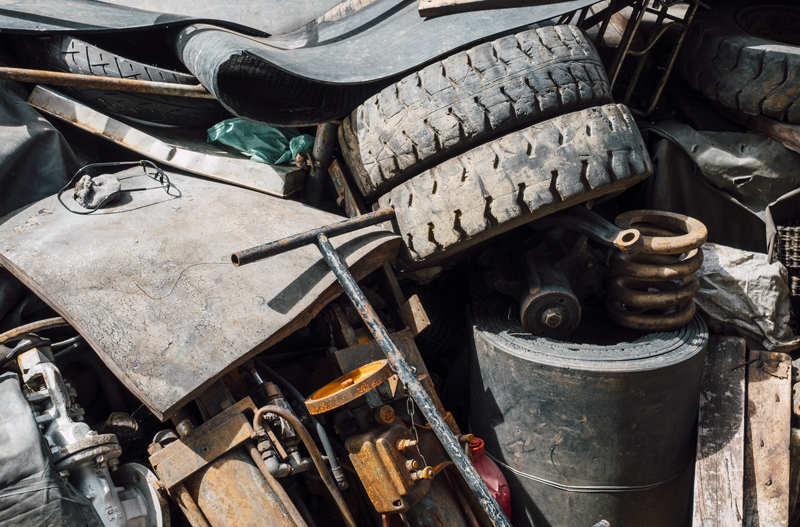
Circular for Industrial companies
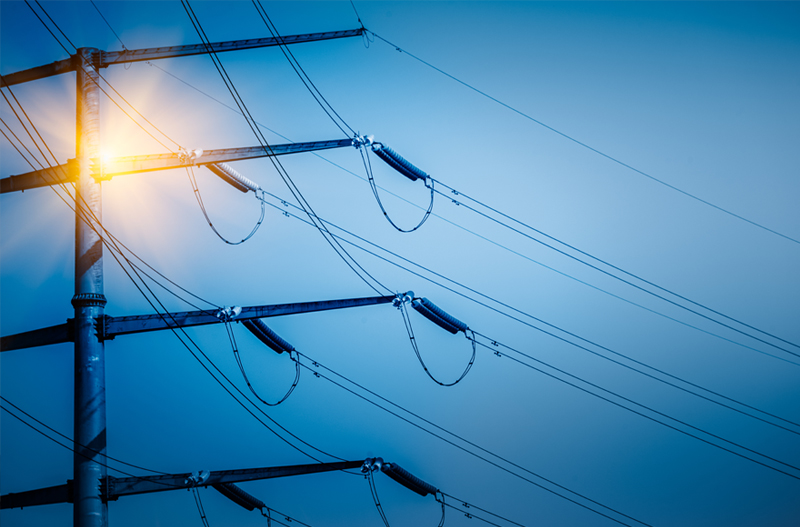
Decarbonisation of Utilities

Cleantech for Waste

Local-to-local for Municipalities
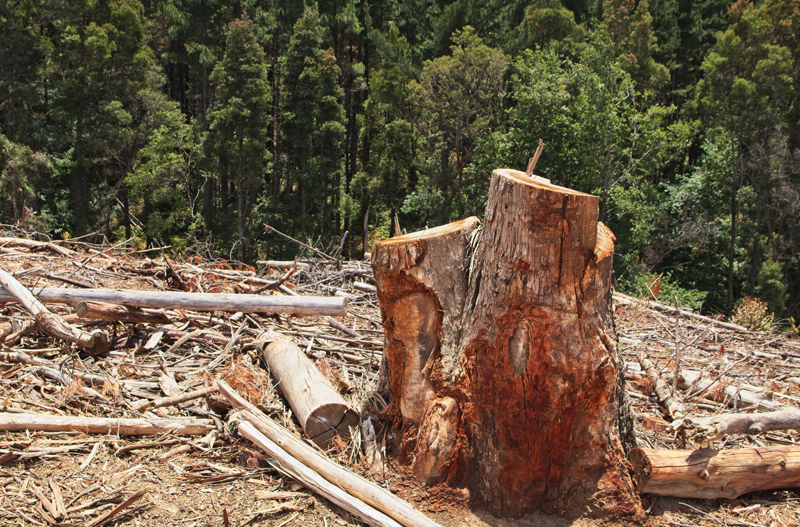
Energy independence for Agricultural areas
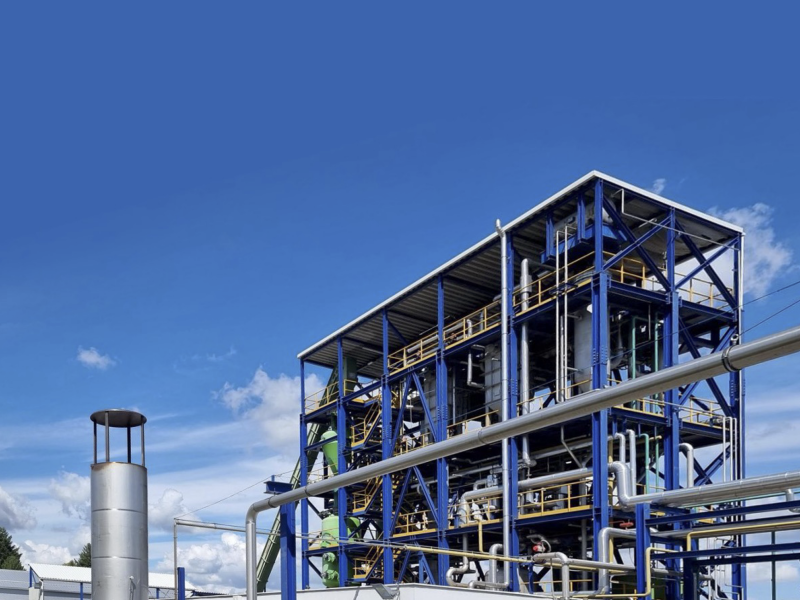
EQTEC’s track record
The benefits of EQTEC technology
Make carbon efficient
Solve for waste
Distributed energy infrastructure
EQTEC technology is decarbonisation technology.
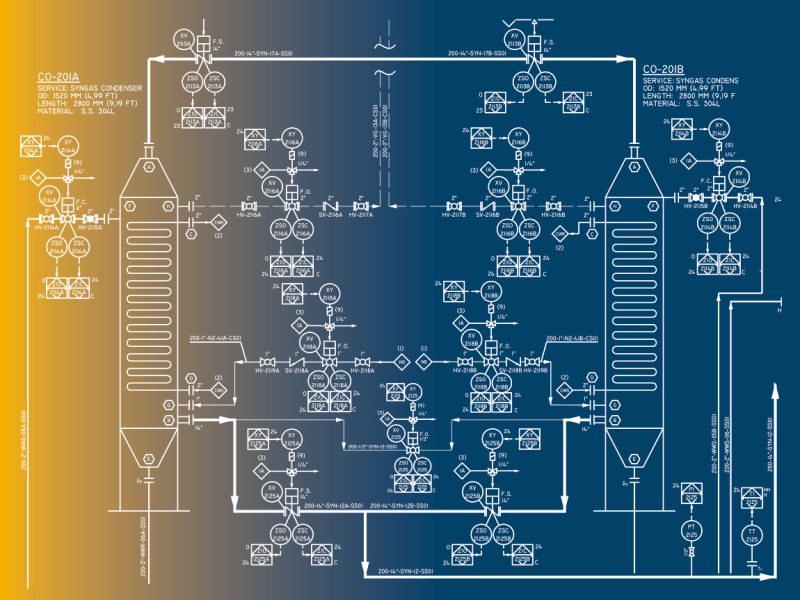
End-to-end, wholly contained, thermochemical conversion sees waste feedstocks broken down into their most useful elements and refined as synthesis gas (syngas). EQTEC’s unique process management capabilities make its process more efficient than alternatives and its syngas yield greater. EQTEC’s clean emissions profile makes it one of the most sustainable and productive cleantech technologies for new energy infrastructure.
EQTEC makes waste a source of clean value.
Even with the best re-use and recycling strategies in place, waste is expected to grow exponentially in the decades to come. Non-recyclable waste must come to be seen as a fuel for clean energy rather than as material to be disposed of and value lost. EQTEC’s proprietary process technology cleanly tackles the widest range and variability of waste types from agricultural and forestry biomass to municipal mixed waste, industrial waste, plastics, polymers and contaminated materials.
EQTEC technology enables new business models.
Collection, transport and centralisation of waste annually costs an enormous amount in terms of spend and carbon footprint. EQTEC’s ability to scale from 1MW to 30MW and beyond supports decarbonisation of large-scale facilities but also enables smaller-scale, local facilities without the need for transporting large volumes of waste. Collect waste locally and use it locally through clean conversion into energy with EQTEC technology. Localised solutions, energy security, grid resilience.
